
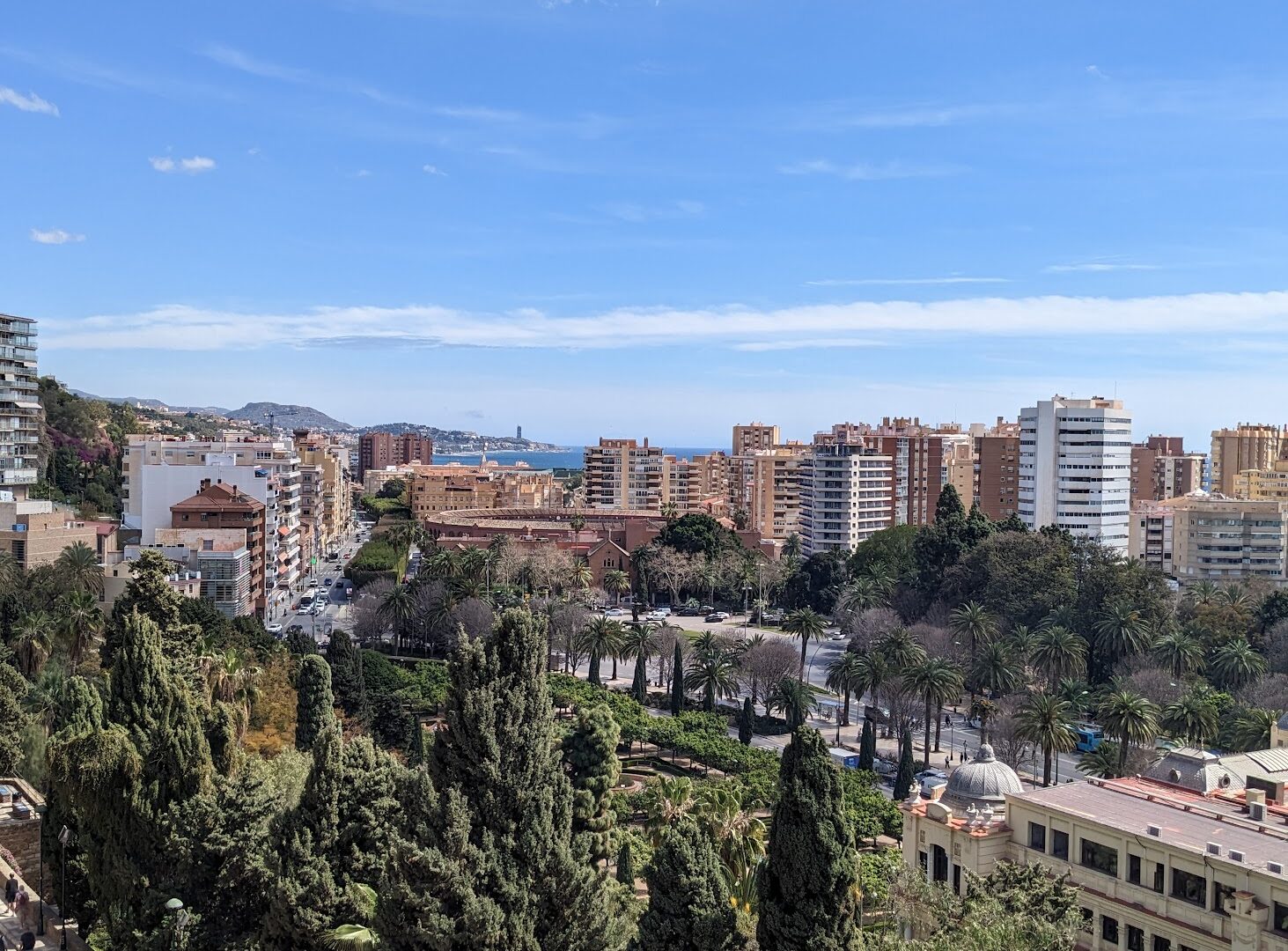

Málaga surprised me in the best way. Tucked along Spain’s southern coast in the heart of the Costa del Sol, it’s easy to expect just another beach city—but what we found was something with more depth. A place where history, food, and everyday life blend together, often on the same street.
We came in thinking we’d “see the highlights.” Instead, we ended up wandering, changing plans, and letting the city guide us—and that’s exactly what made the day memorable.
Starting Off: Rethinking the Plan
We started the day with a hop-on hop-off bus tour, thinking it would be the easiest way to cover ground. But almost immediately, we realized something important—everything we wanted to see was already in the city center.
So we made a quick decision: step off, slow down, and explore Málaga on foot instead.
That shift ended up shaping the entire day.
Roman Theatre: History in Plain Sight
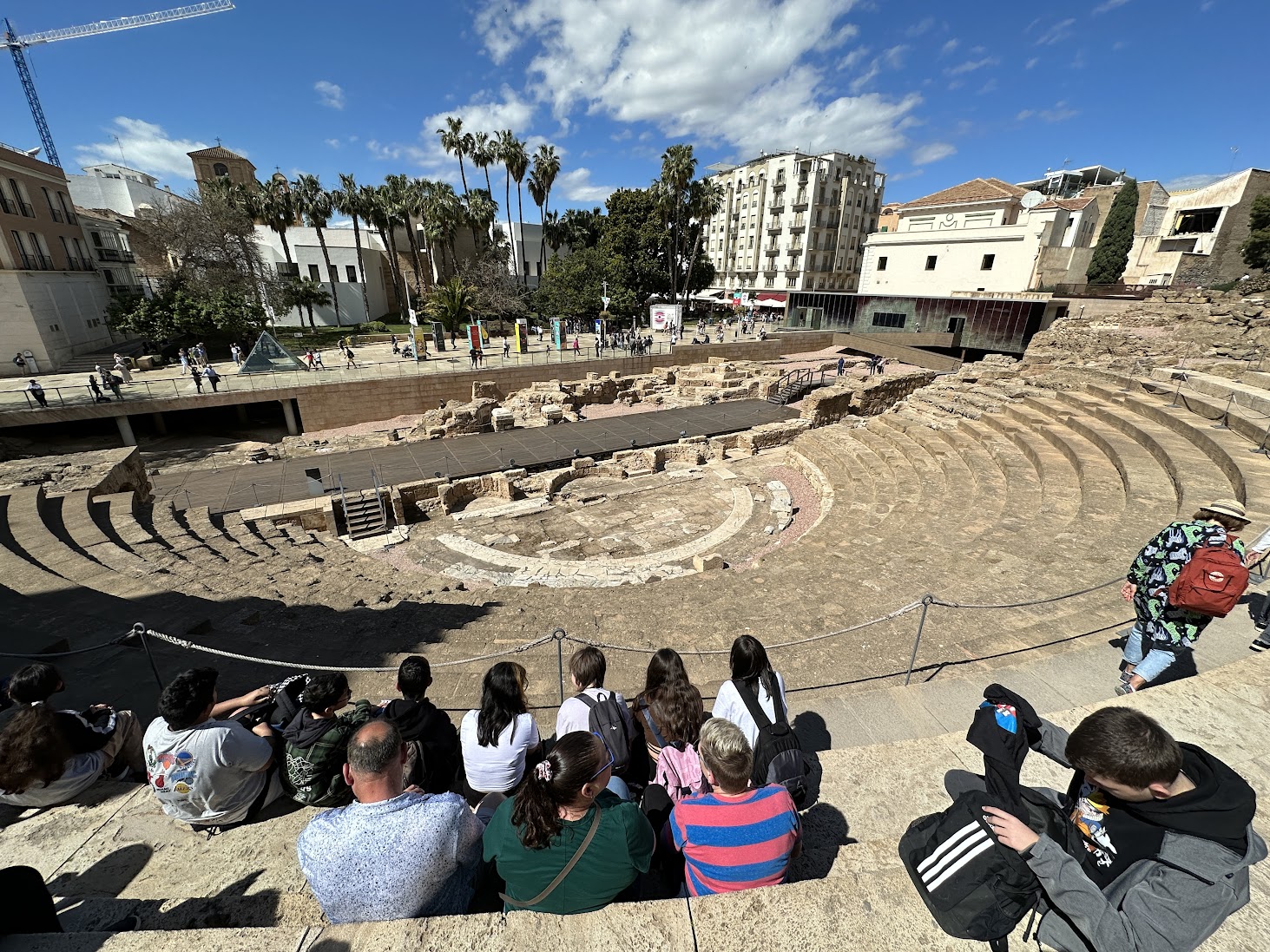
Our first stop was the Málaga Roman Theatre.
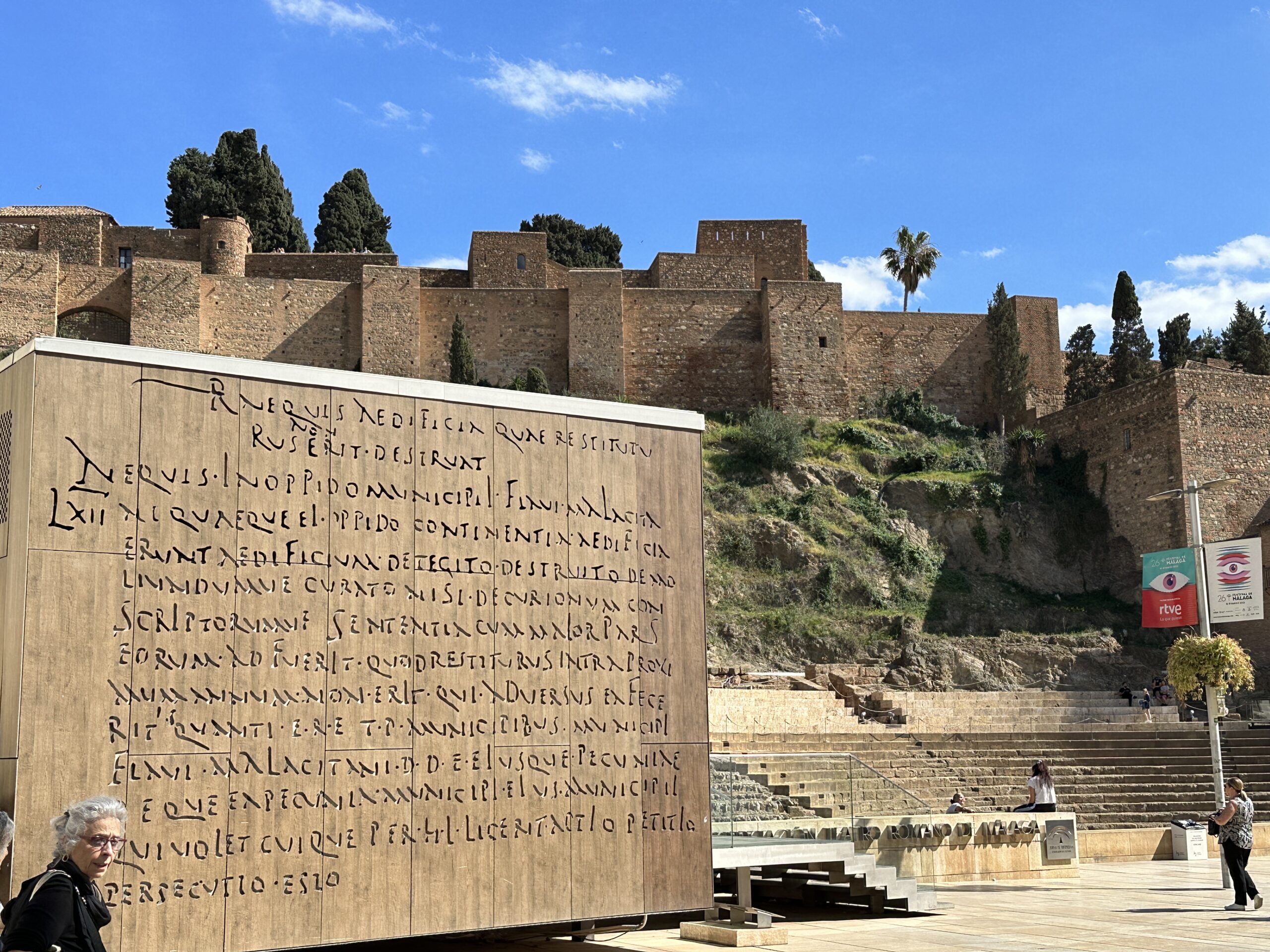
It sits quietly at the base of the Alcazaba hill, almost blending into the city if you’re not paying attention. And that’s what makes it so striking—you’re standing in a modern city, but suddenly you’re looking at something that’s been here for centuries.
It doesn’t try to compete with its surroundings. It just exists within them, layered into the everyday life of Málaga.


Climbing to the Alcazaba of Málaga
Next came the climb up to the Alcazaba.
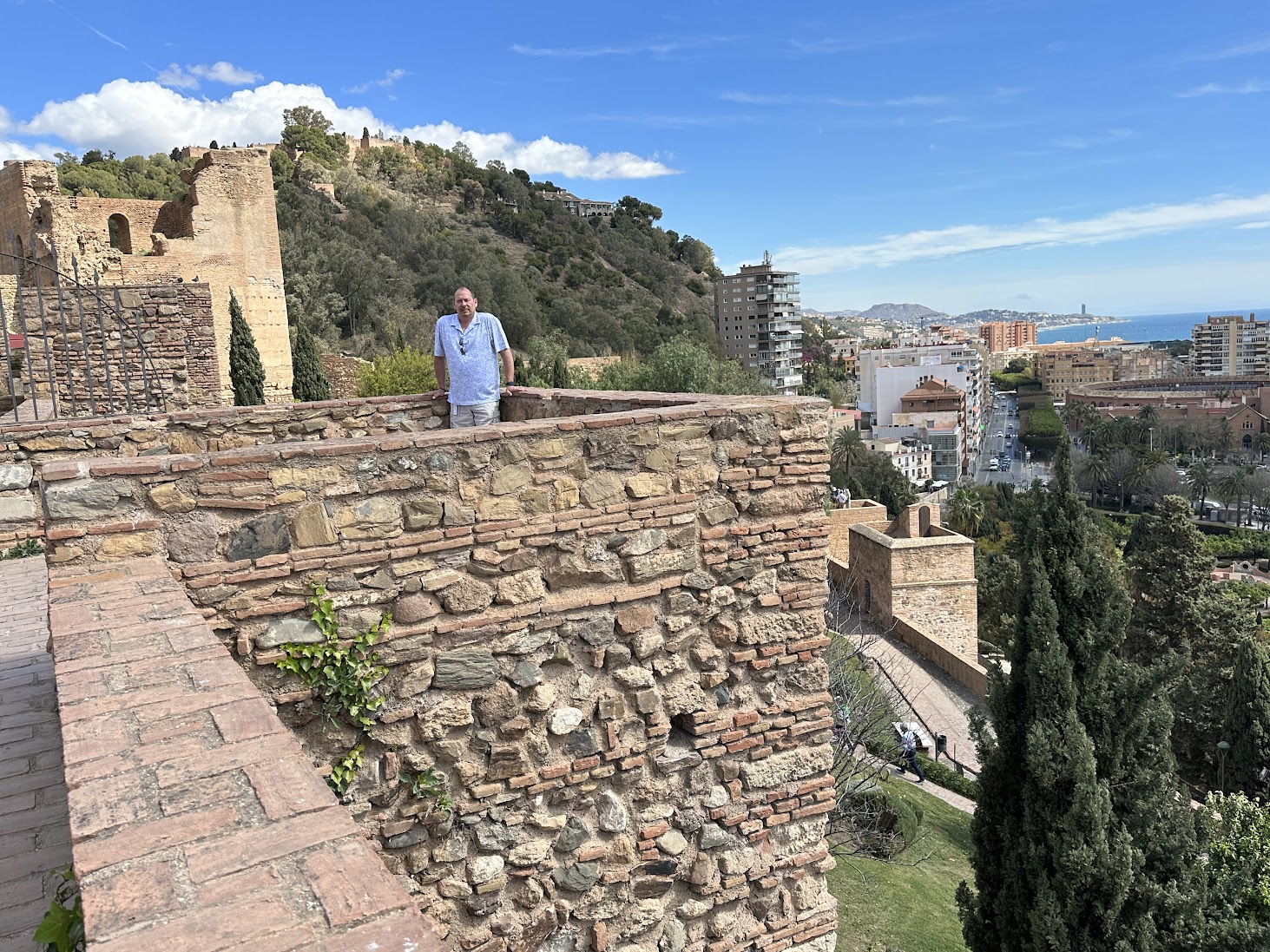
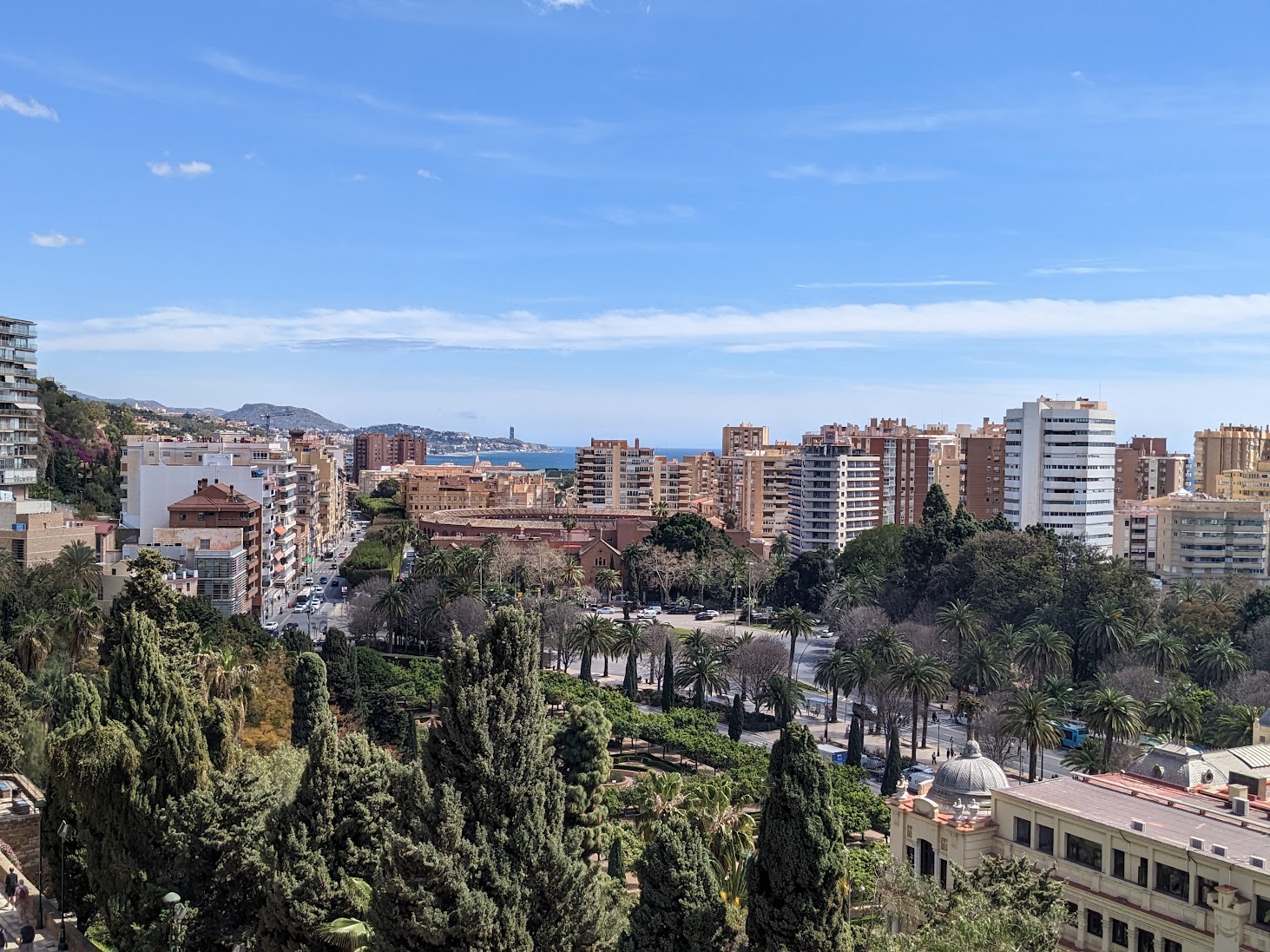
The walk itself is part of the experience. Each turn opens up wider views—terracotta rooftops, the harbor stretching into the Mediterranean, and the city slowly shrinking behind you.
By the time you reach the entrance, it already feels like you’ve left the city behind.
Inside the Alcazaba
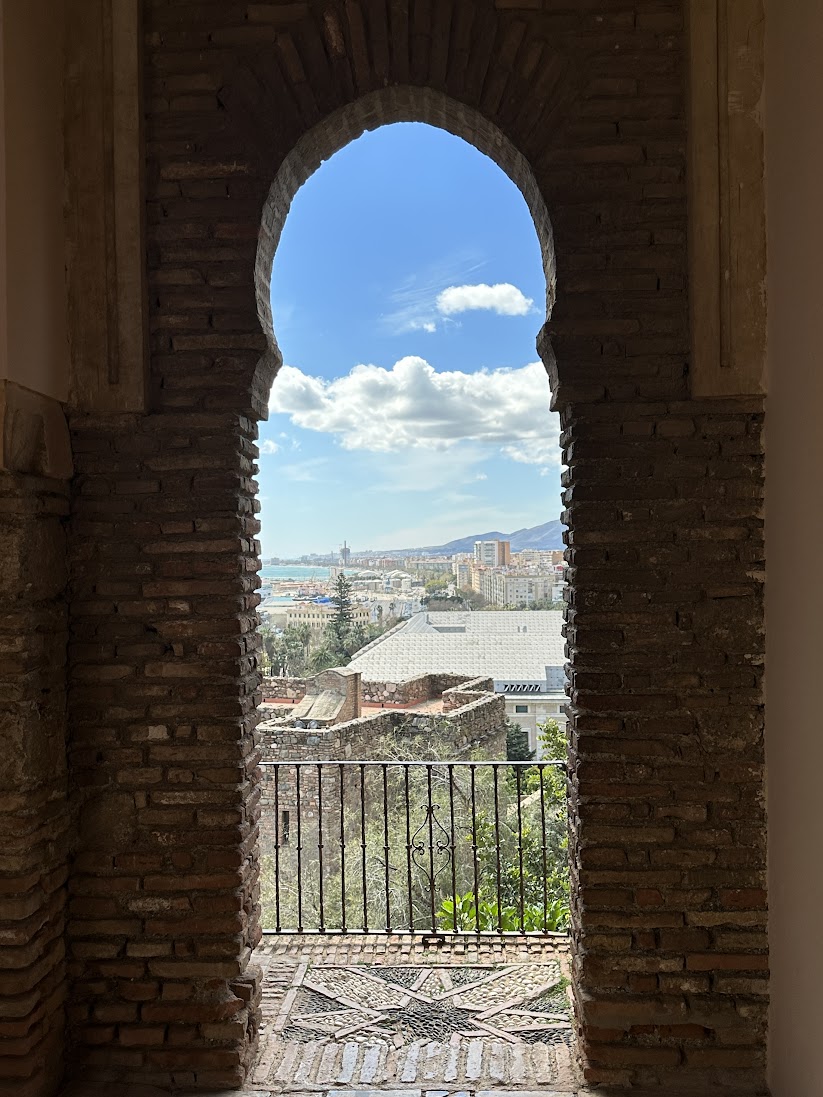
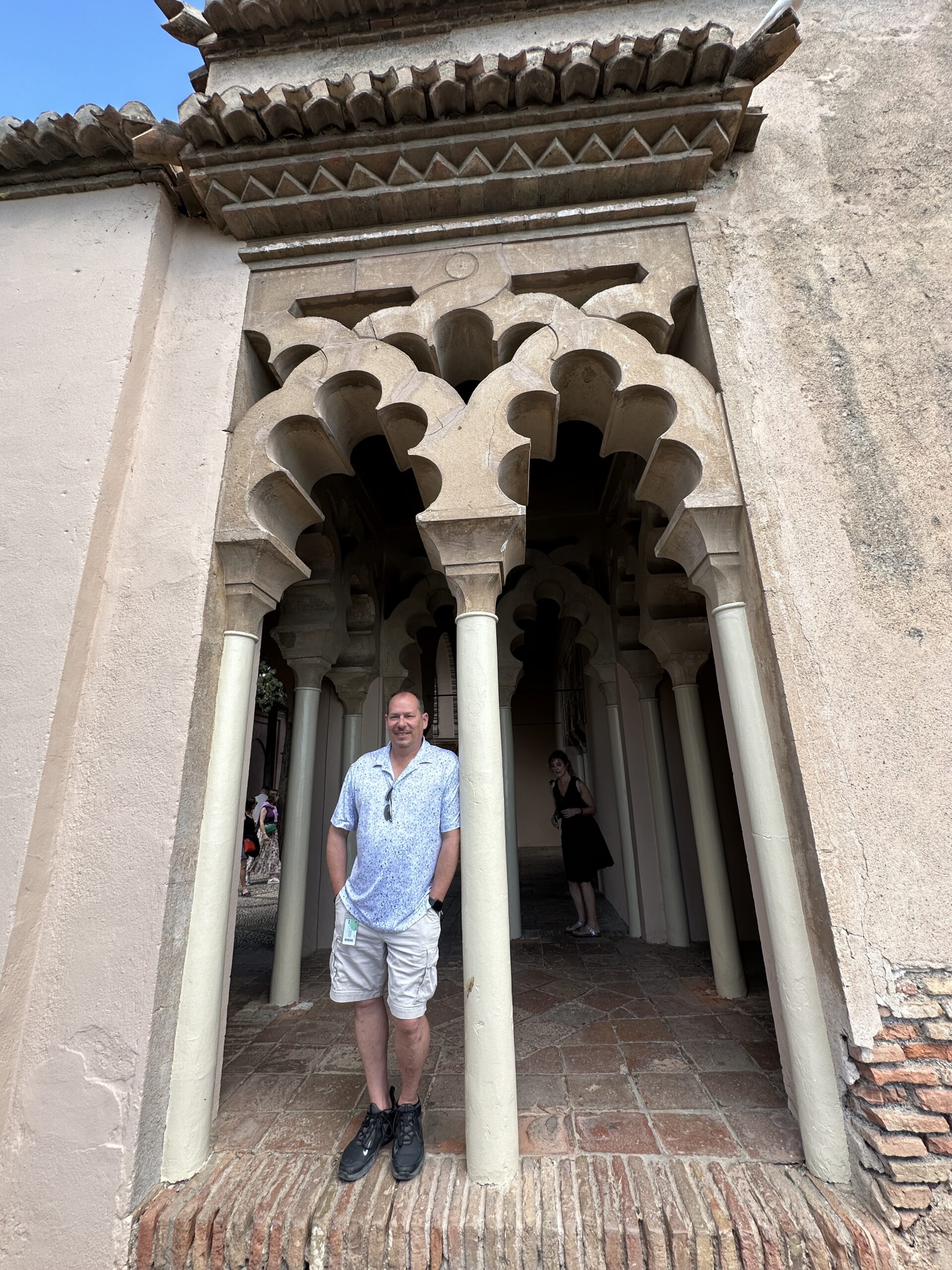
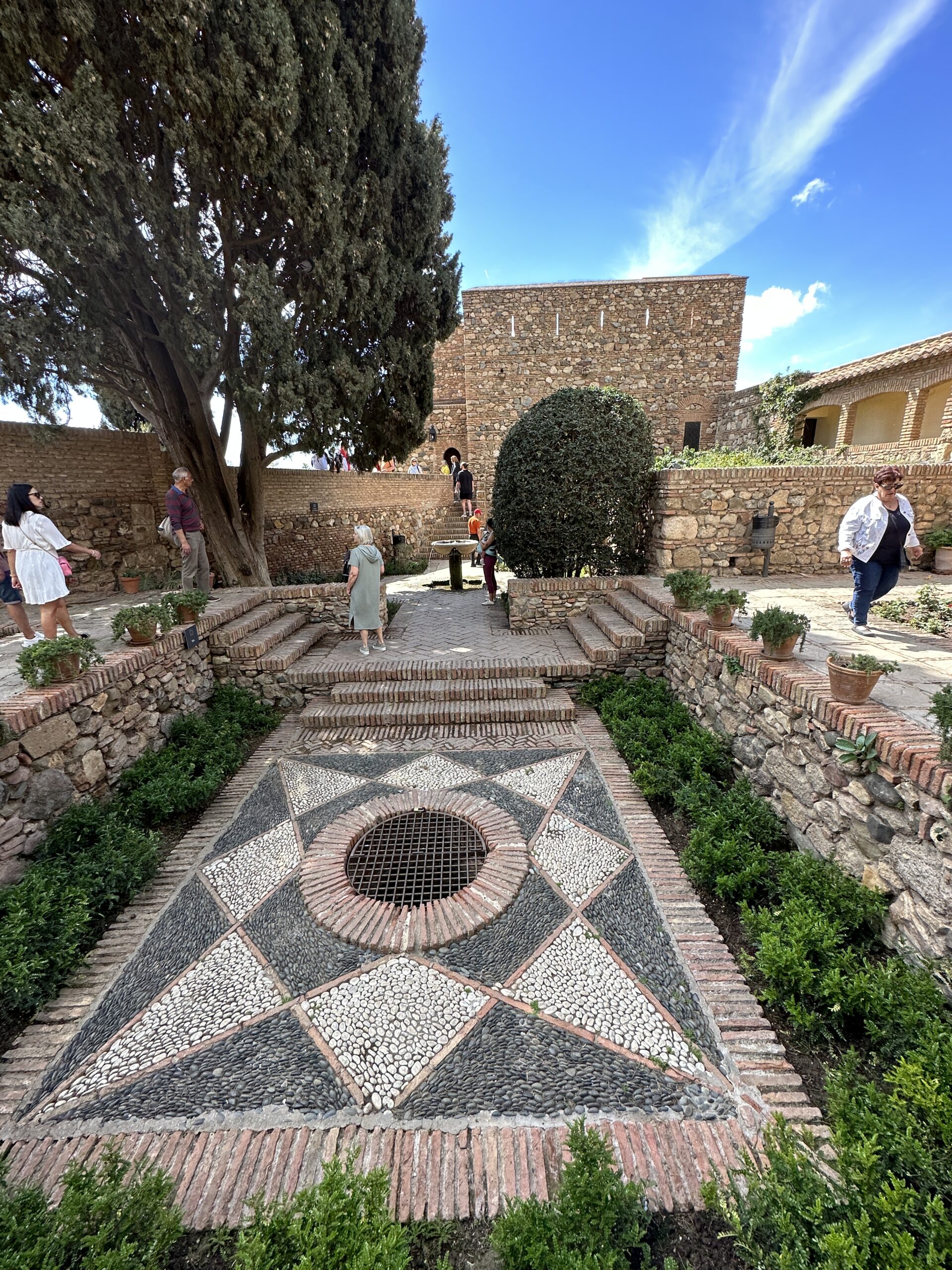
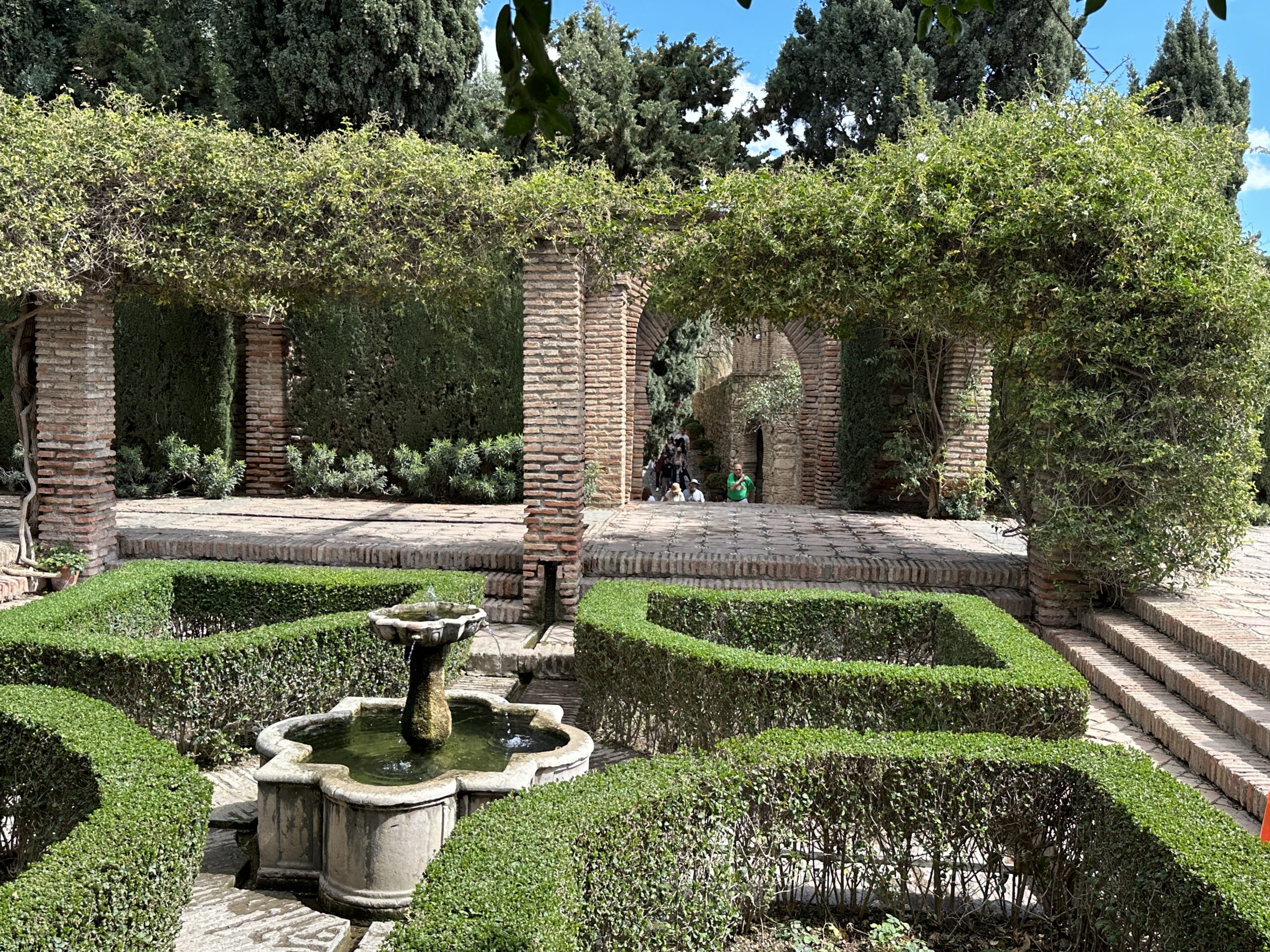
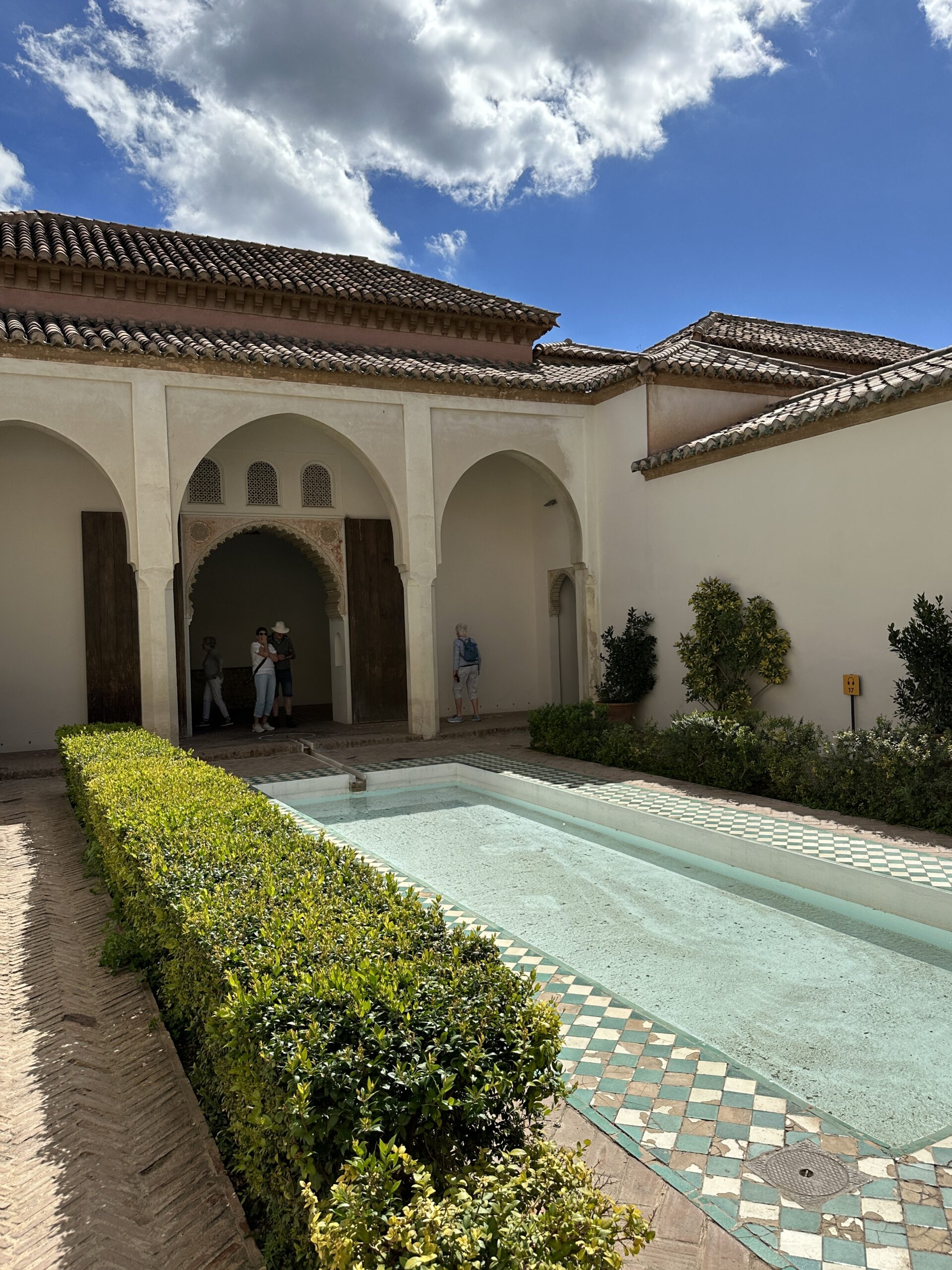
Once inside, everything slows down even more. Stone walls lead into open courtyards. Fountains run softly in the background. Palm trees frame archways that feel almost cinematic. It’s peaceful in a way that doesn’t feel staged—it just is.
At one point, we found ourselves in a smaller courtyard tucked away from the main flow—Patio de los Surtidores. It felt like a reset button. The sound of running water, shaded corners, barely anyone else around. Not something you plan your visit around, but one of those moments you remember anyway.
We wandered without any real direction after that. Narrow passageways, unexpected viewpoints, stopping more than we meant to. And the higher we climbed, the better it got. Málaga stretched out below us, coastline and city blending together under that warm southern Spain light.
It’s one of those places where you don’t just observe history—you feel it in the atmosphere.
Back Into the City: Wandering Without a Map
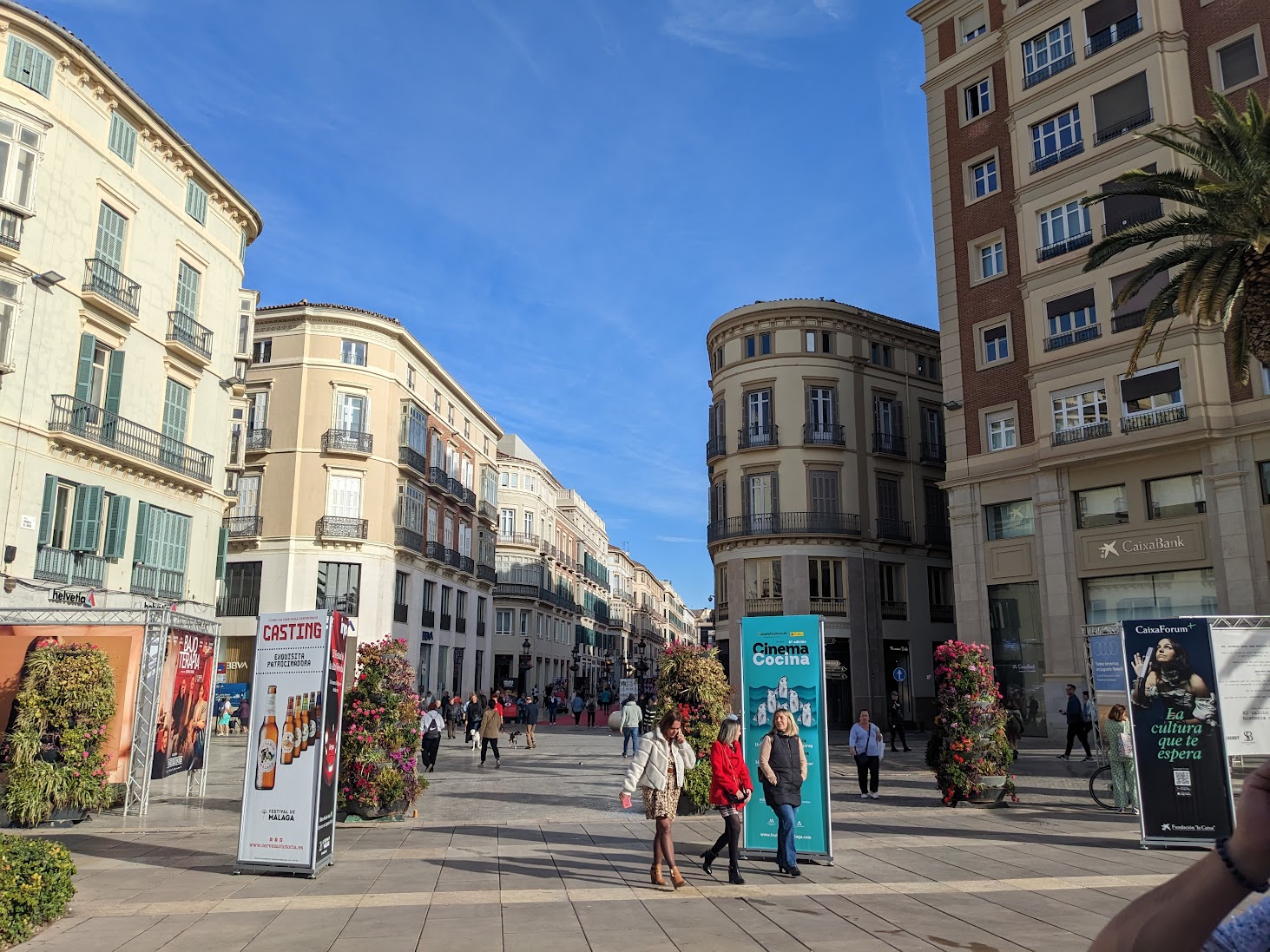
Coming back down, we slipped right back into the rhythm of the city.
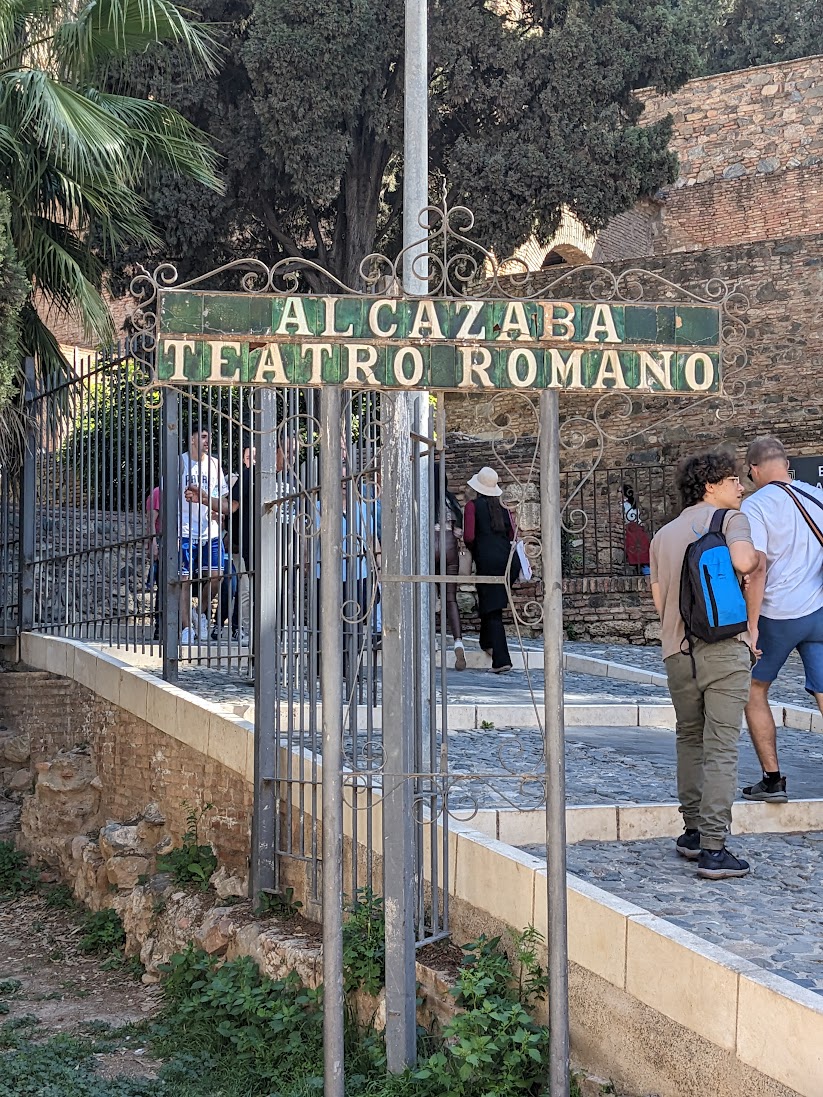
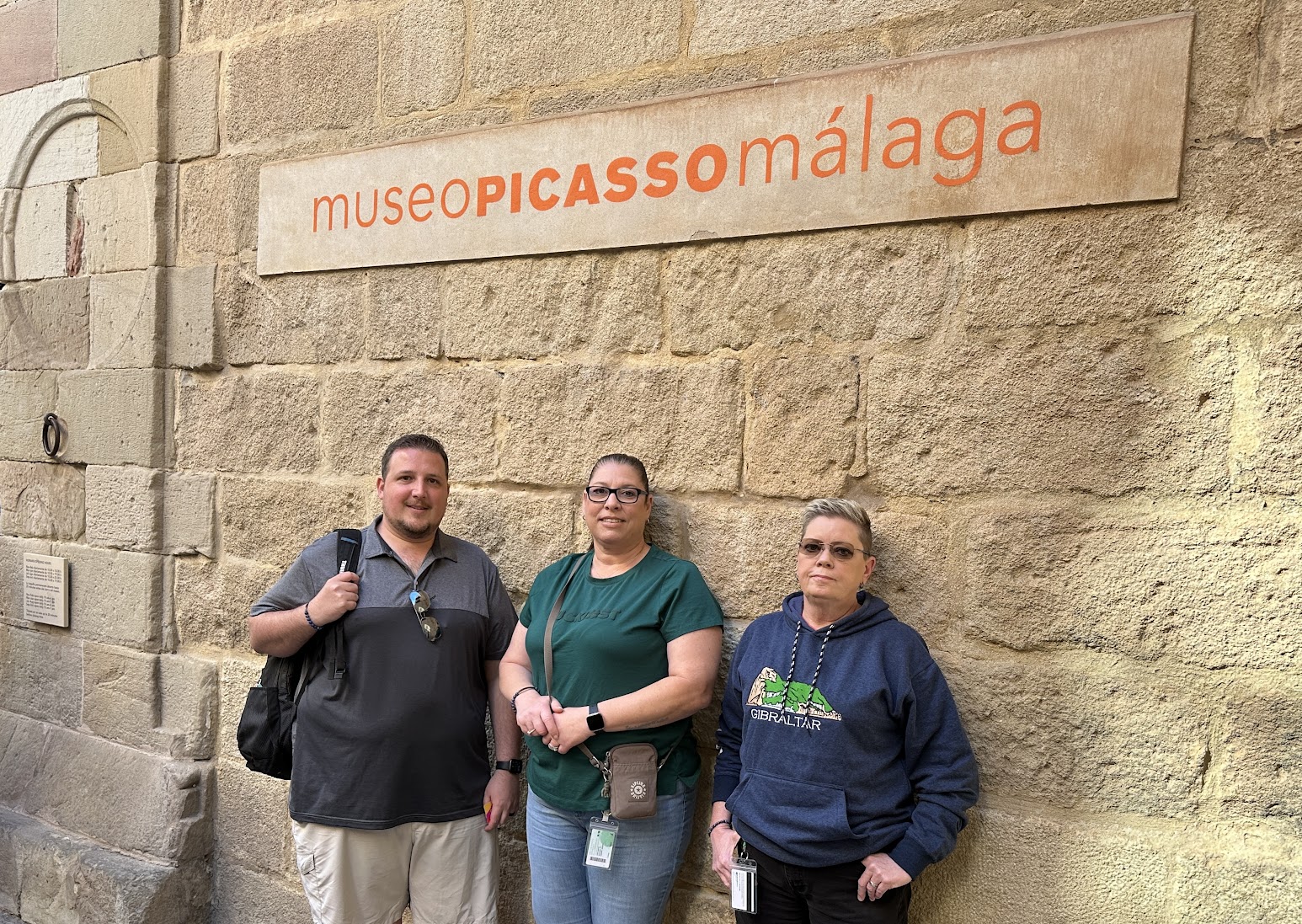
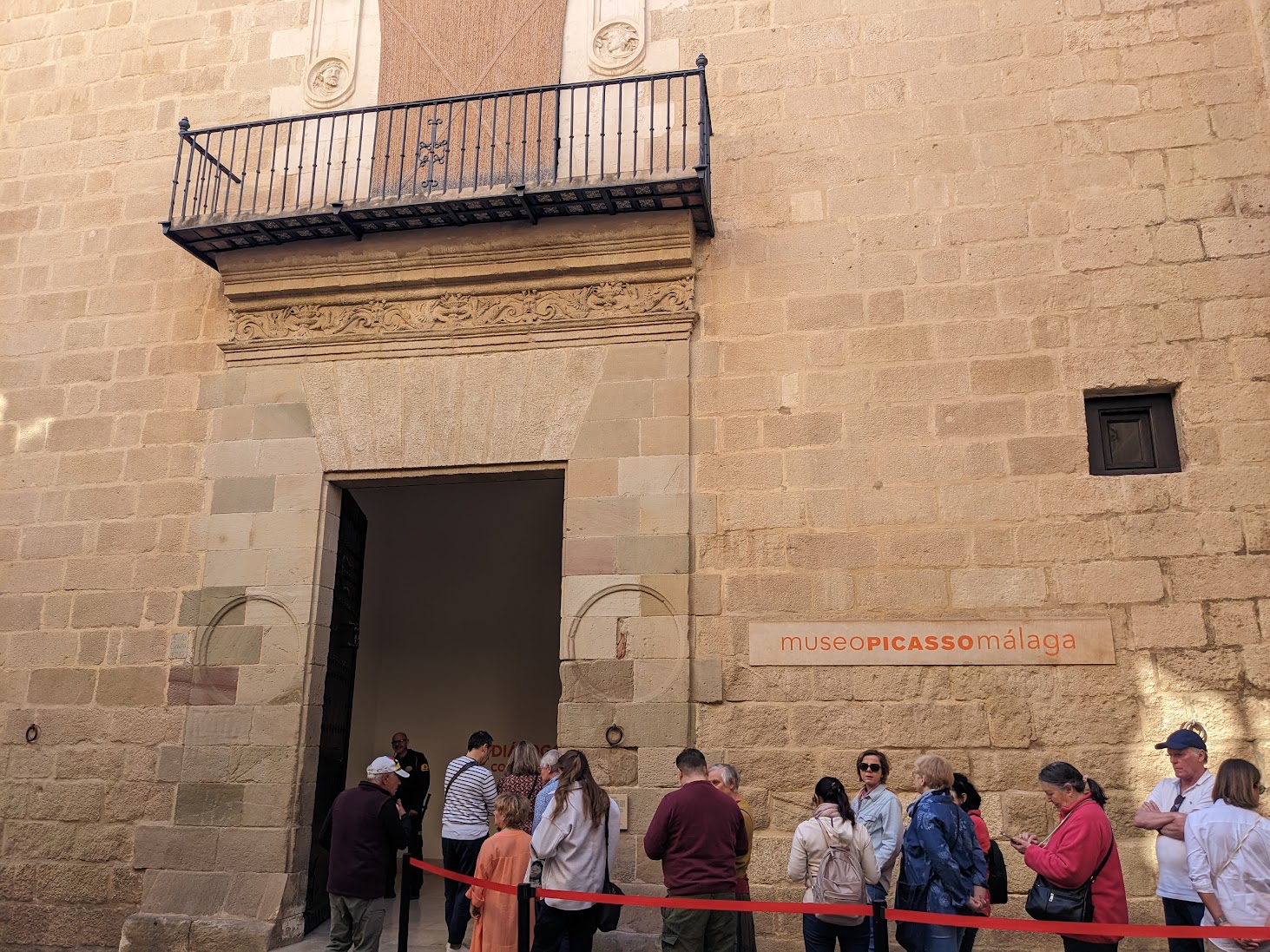
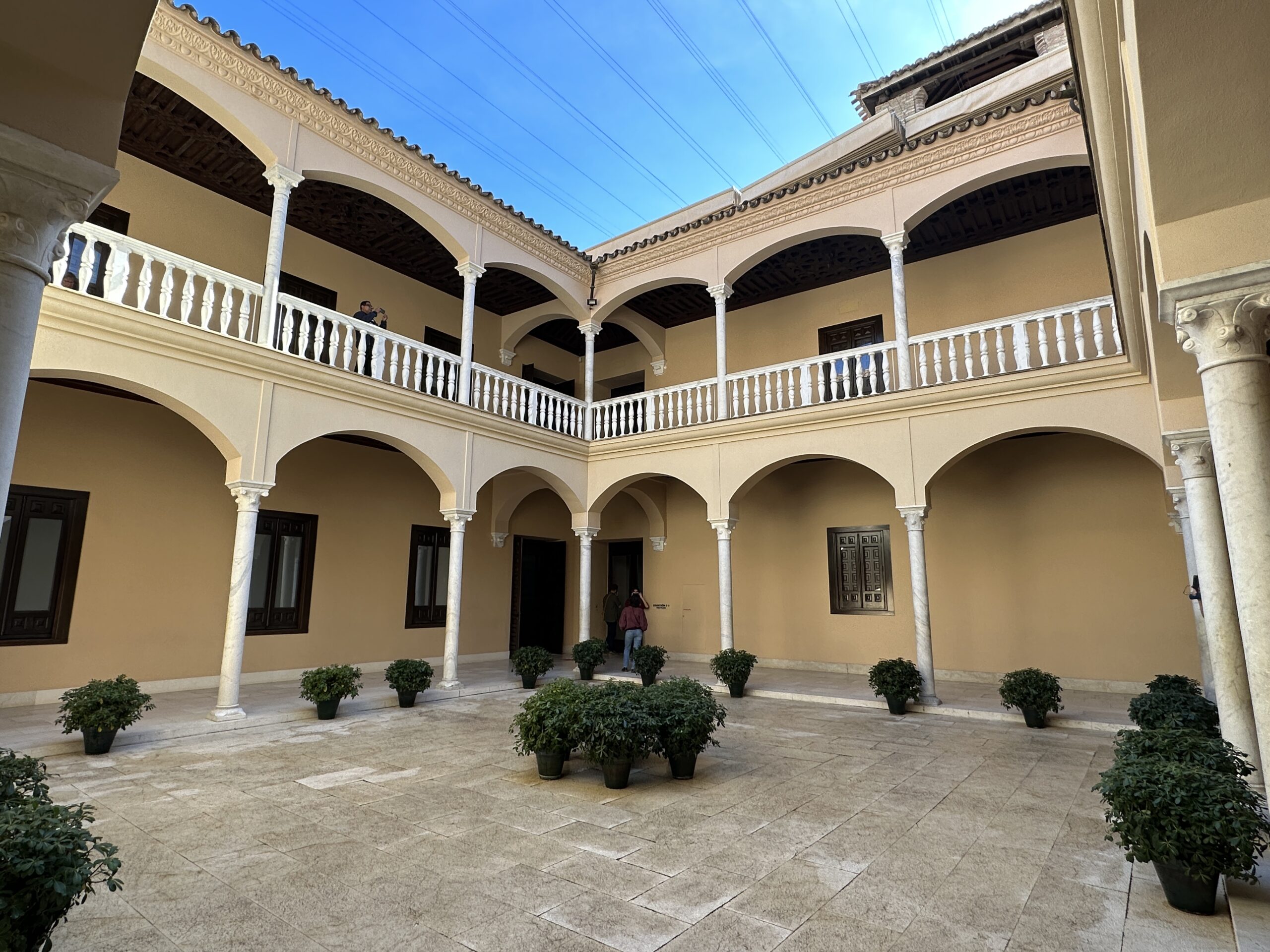
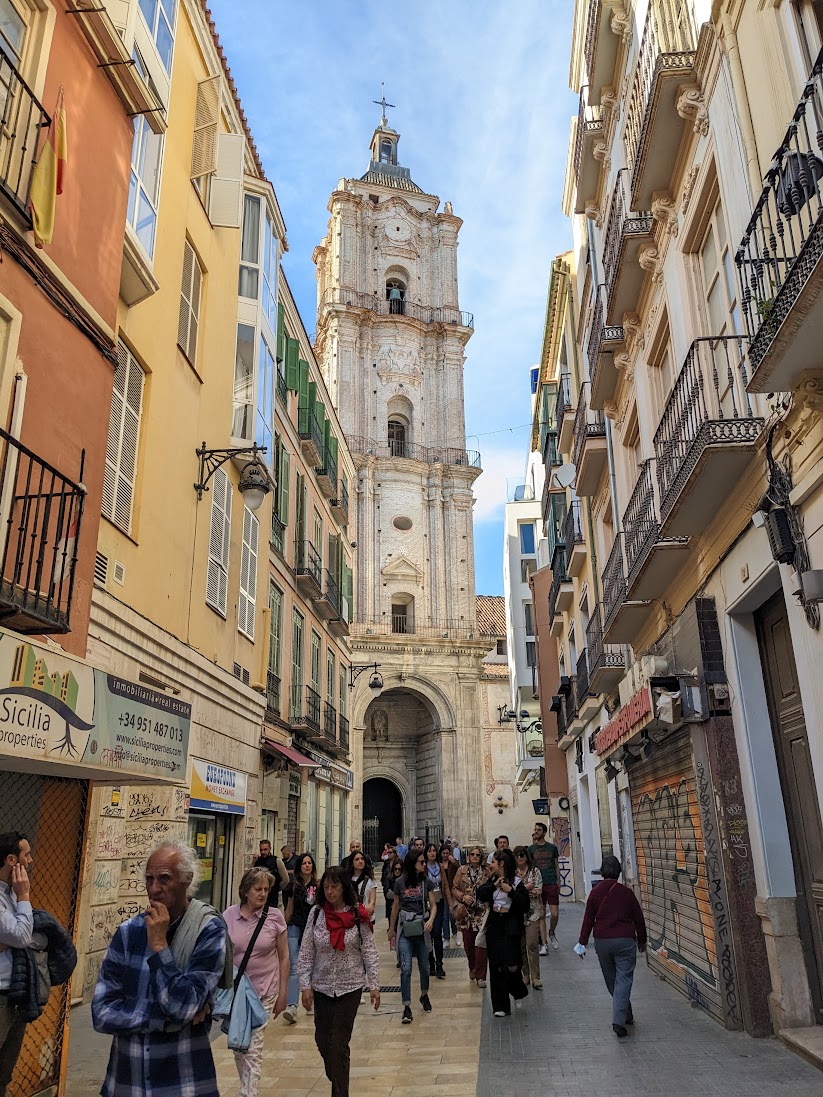
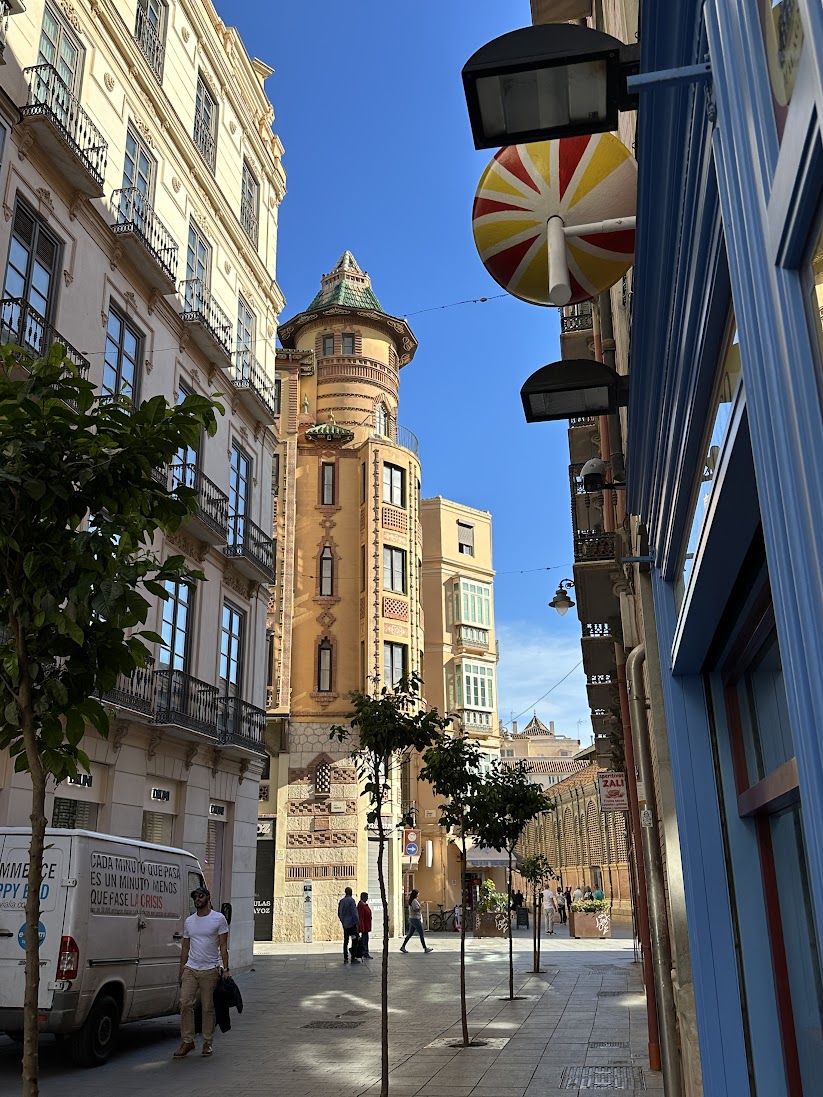
Cobblestone streets, small shops, and no real direction—just wandering. That’s when we unexpectedly found the Museo Picasso Málaga. No planning, no expectations, just one of those “we’re already here, let’s go in” moments that end up fitting perfectly into the day.
Tapas at La Plaza Málaga
Eventually, we slowed down for food at La Plaza Málaga.
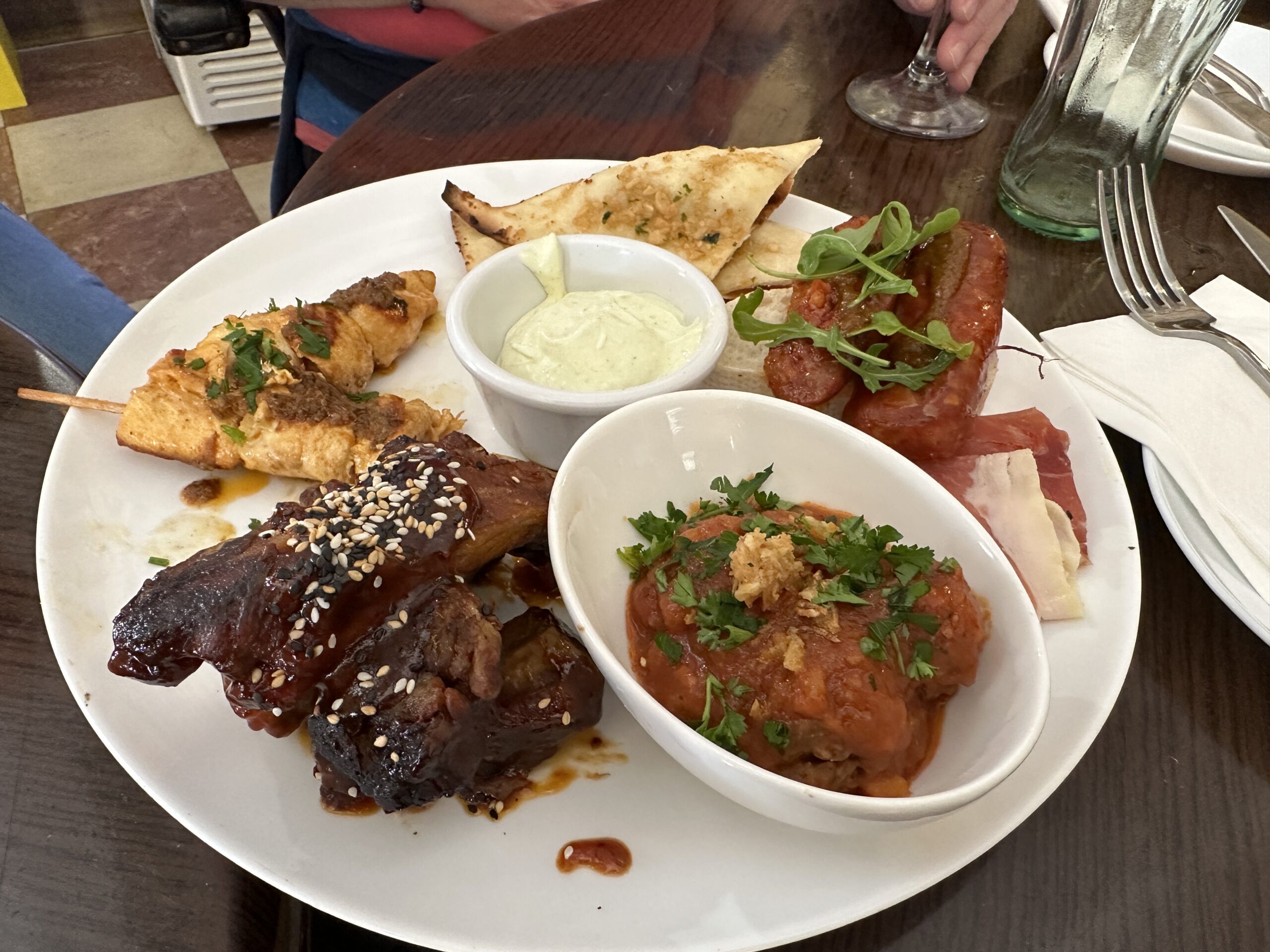
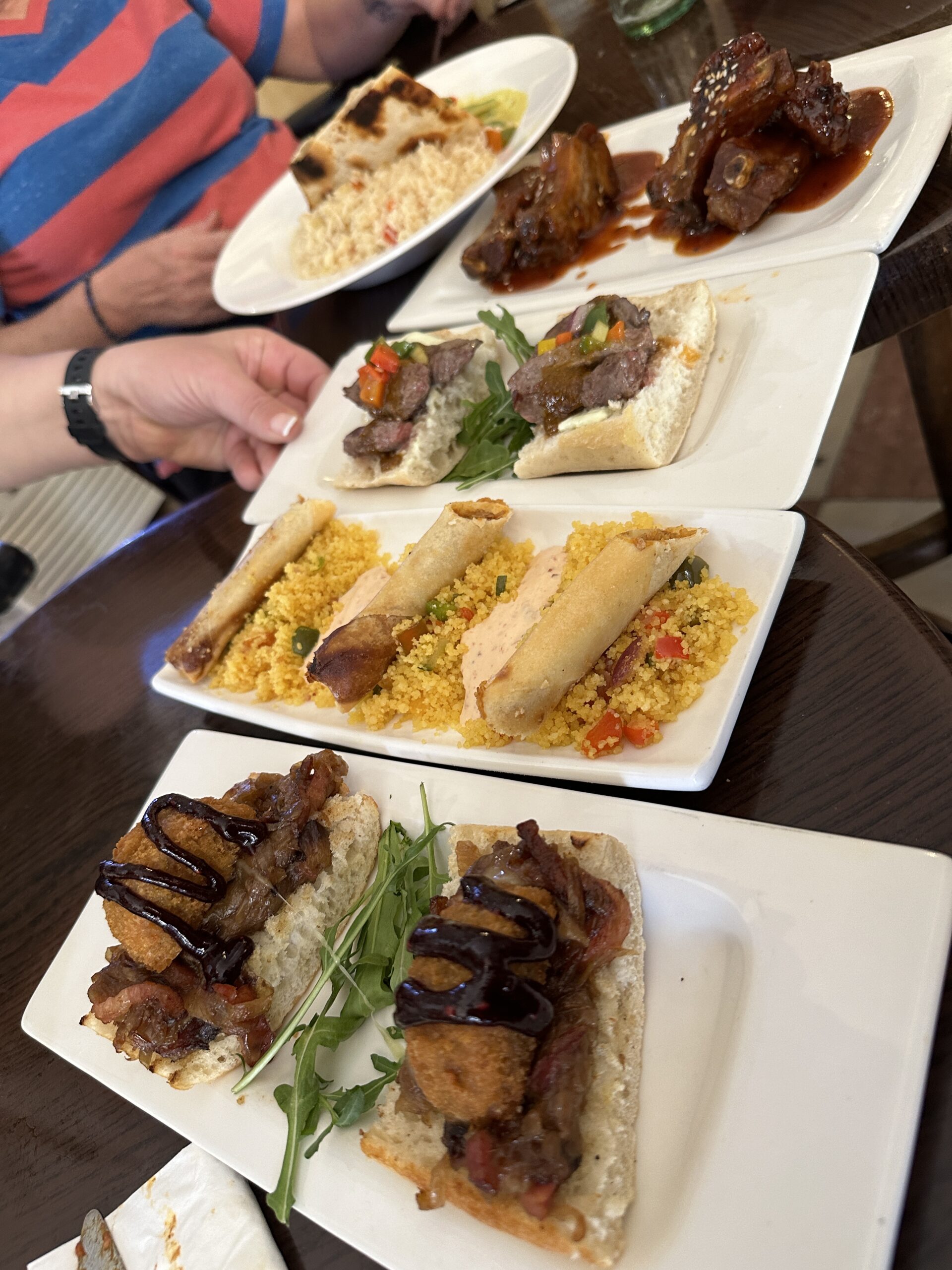
We ordered eight different tapas dishes and shared everything as it came out. Nothing fancy or overcomplicated—just simple plates, full of flavor, meant to be experienced slowly.
What stood out wasn’t just the food, but the way the meal unfolded. One plate at a time, conversations stretching out, no rush to leave. It felt like the city encouraging us to pause.
A Sweet Ending: Churros & Chocolate
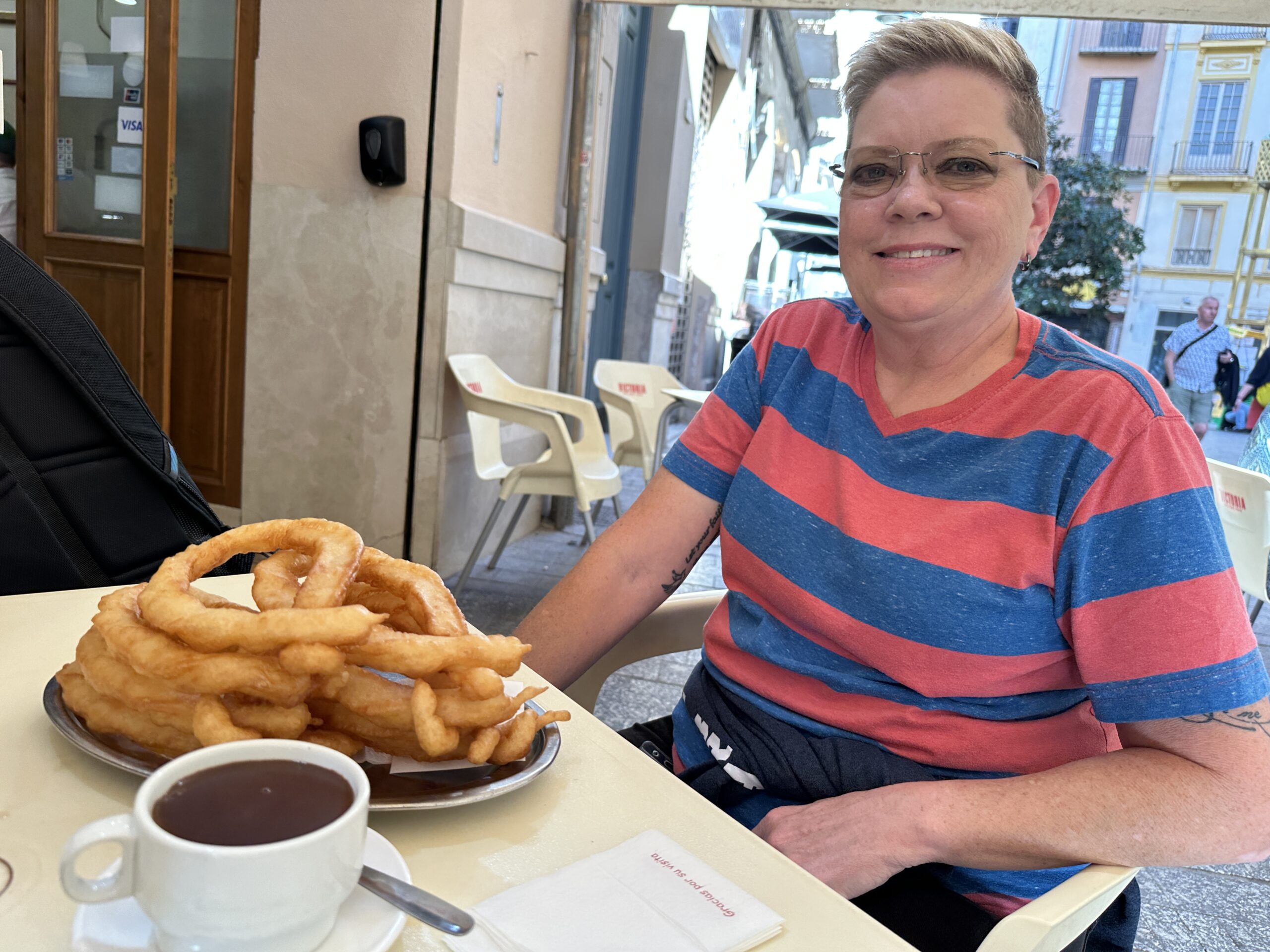
We ended the day the only way that felt right—churros and thick hot chocolate.
Warm, crispy, and slightly indulgent, it was one of those small moments that somehow sticks with you more than the bigger sights.
Final Thoughts: Why Málaga Works Without a Plan
By the end of the day, Málaga didn’t feel like a checklist of things we saw—it felt like a place we experienced. What started as a structured plan turned into something much better: wandering without direction, stumbling into hidden corners, and letting the city reveal itself naturally.
Málaga doesn’t really need an itinerary. It just needs time, curiosity, and a willingness to slow down. And honestly—that’s what makes it memorable.